The education world has experienced change over the past year in unprecedented and deep ways. In education, we often talk about how we are called upon to metaphorically drive the bus while changing the tires, looking under the hood and getting people on and off safely. This holds true during the pandemic more than ever.
Close to a year ago, as our entire world was thrown into a new reality, the world of Jewish education was compelled to pivot into this new reality as well. Our Miami Jewish day schools had to instantaneously become adept at new ways of teaching and learning. At first, the approach was “do the best possible,” given the situation and hope that things would go back to “normal” soon.
Words from Our Hearts: A Prayer Exploration for Early Childhood offers an opportunity for our youngest learners, their teachers and their parents to immerse themselves into the spiritual language of prayer. Prayer concepts are introduced to the children through simple everyday words like: Todah- gratitude, B’vakasha- please, S’licha- forgiveness, and Halleluyah- praise and wonder.
Covid-19 has changed the way we do many things. Yet one factor remains the same: our early childhood educators’ commitment to the children and their families and to creating and nurturing relationships that become the beginning of many family’s Jewish journey.
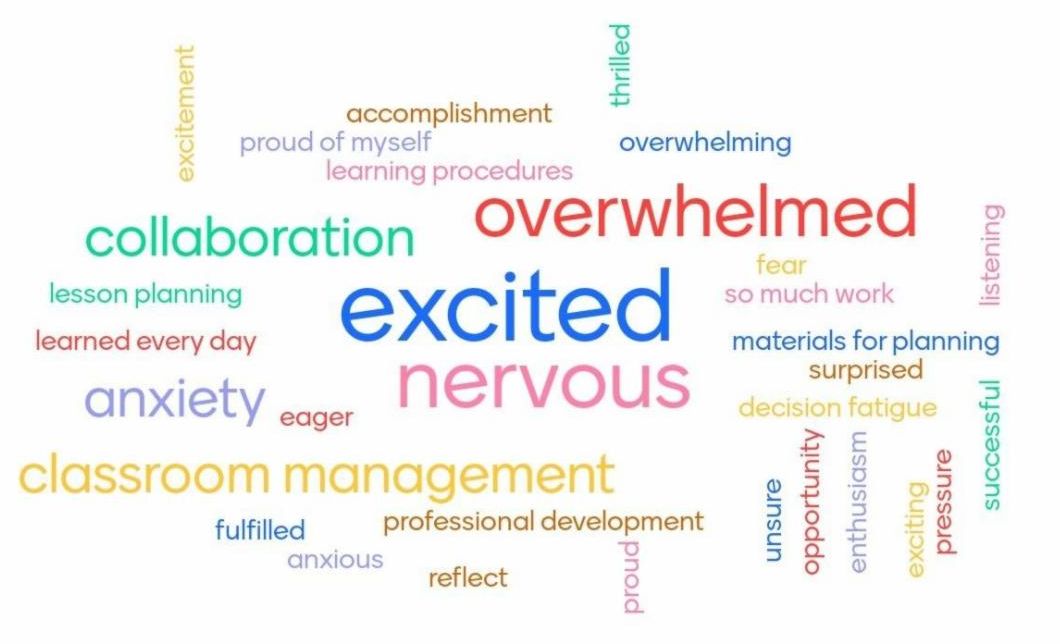
JNTP is a national Jewish day school program adapted from the New Teacher Center in Santa Cruz, California. Through JNTP, CAJE develops veteran teachers into mentors who work specifically with novice teachers in their first 1-3 years in the field. Mentors learn about the specific challenges faced by novice teachers and develop the skills and dispositions needed to guide them through their first years of teaching.
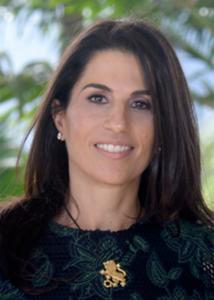
Born and raised in Mexico City, Sara Rayek Bejar has always held her Jewish values and traditions close to her heart . According to Sara, Mexico City boasts one of the largest and best Jewish communities in the world, of which Sara and her family were proud to be a part.
In a vibrant landscape of cultural events, the Miami Jewish Film Festival (MJFF) stands out as a beacon of cinematic excellence, not only for its captivating array of films but also for its dynamic educational components. The festival seamlessly intertwines scholarship, spirituality, and community engagement to create an enriching and transformative experience for its audience that goes beyond the silver screen. This year the 29th Annual Miami Jewish Film Festival (MJFF) presents hundreds of Jewish and Israeli films in both In-Person and Virtual programs. Take a moment to visit the Festival Page where you can sort films by genre, language, interest, location, etc.
This week, as we conclude the book of Bereshit (Genesis) and turn the page to begin Shemot (Exodus), we experience a profound shift in the narrative of the Jewish people. There is a natural tinge of sadness in leaving the intimate, personal dramas of our ancestors—Abraham, Isaac, and Jacob—whose lives, full of both soaring faith and relational mistakes, have shaped our identity. Yet, this transition is more than just a change of books; it is a fundamental transformation in our collective identity: the move from being a large, extended, complicated family to becoming a small, yet complicated nation.
There are moments when a community realizes that what once worked no longer does. October 7th was one of those moments. In the weeks that followed, we saw it clearly across Miami’s Jewish day schools: students were confused, educators were overwhelmed, and schools were searching for alignment. Children worried about siblings in Israel, teachers were called back to reserve duty, and conversations about Israel — already complicated — suddenly carried enormous emotional weight. At CAJE, we understood that this work — strengthening and enhancing existing Israel education with greater honesty, nuance, and complexity—could no longer be postponed...